


Alentejo and Ribatejo join the European Federation of the Camino
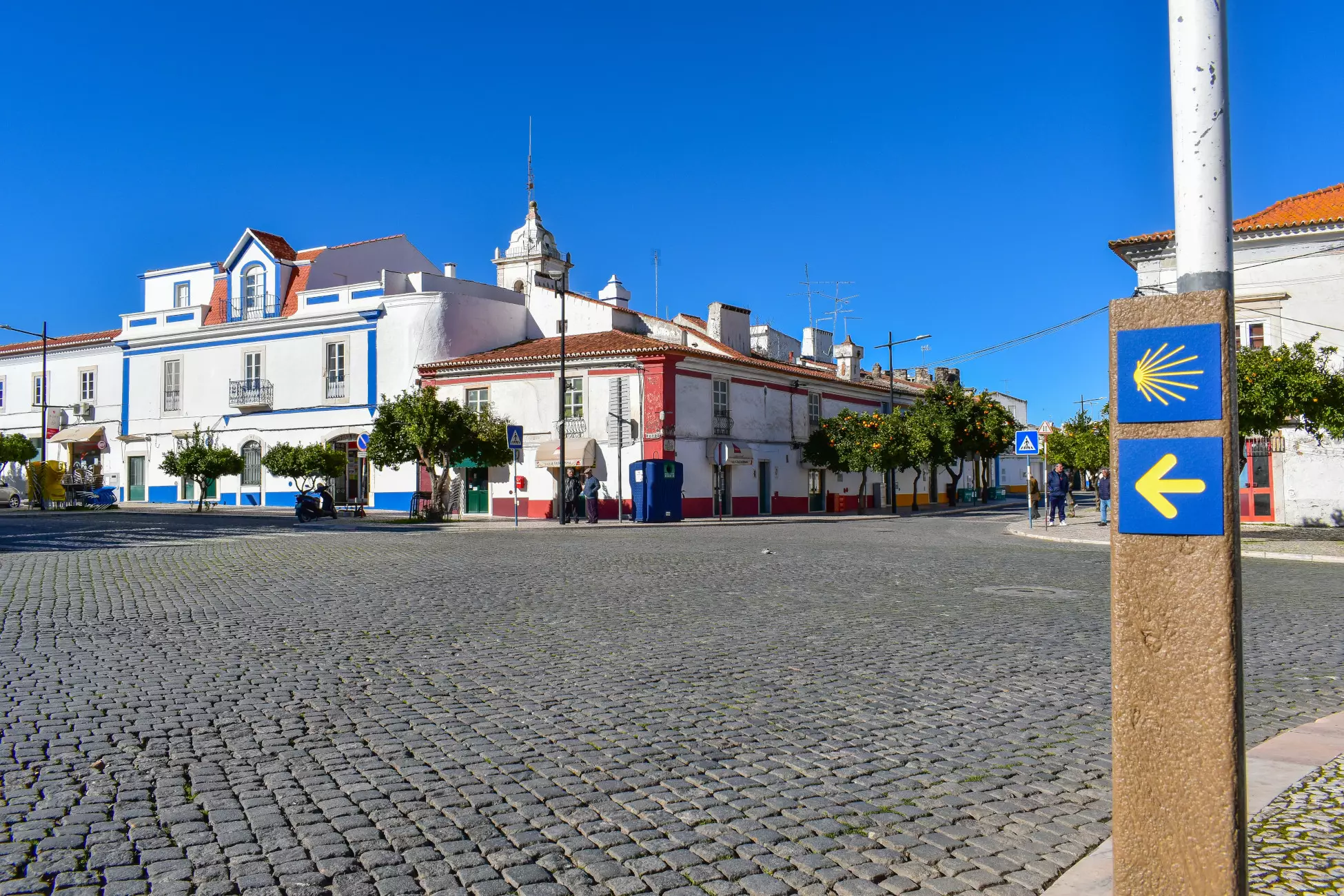
The Entidade Regional de Turismo (Regional Tourism Board, hereinafter ERT) of Alentejo e Ribatejo has been admitted as a member of the European Federation of the Camino, following a formal invitation from this international organisation. This integration strengthens the region’s presence in a federation that already brings together representatives from countries such as Spain, France, Belgium, the Netherlands, Italy, Poland, Lithuania, Croatia and Ukraine. Until now, in Portugal, only the Portuguese Federation of the Camino was represented.
According to Pedro Beato, vice-president of the ERT, this membership reflects recognition of the work carried out since 2018 to establish the Camino in the region, in cooperation with municipalities, pilgrim associations, dioceses, local hospitality organisations and institutions based in Santiago de Compostela. The official considers this an important milestone for the region, which will now gain greater prominence in activities linked to the jacobean phenomenon.
With this integration, the ERT will have an active role in shaping European programmes and initiatives related to cultural itineraries. It will also allow the sharing of experiences with other territories and contribute to a joint strategy for promoting and safeguarding the cultural heritage associated with the Camino, while also strengthening tourism promotion for Alentejo and Ribatejo.
The Caminos in Alentejo and Ribatejo were officially launched in 2019, following preparatory work started the previous year. The Central Camino was the first Portuguese route to obtain official certification under Decree-Law No. 51/2019, which recognises the historical and cultural importance of these itineraries and sets the criteria for their preservation and promotion.
Currently, the region offers four recognised routes, crossing 34 municipalities and covering over one thousand kilometres. This network gives walkers the opportunity to discover the heritage, landscapes and traditions of Alentejo and Ribatejo, reinforcing its position within Europe’s major cultural itineraries and supporting sustainable tourism practices and the appreciation of local communities.
