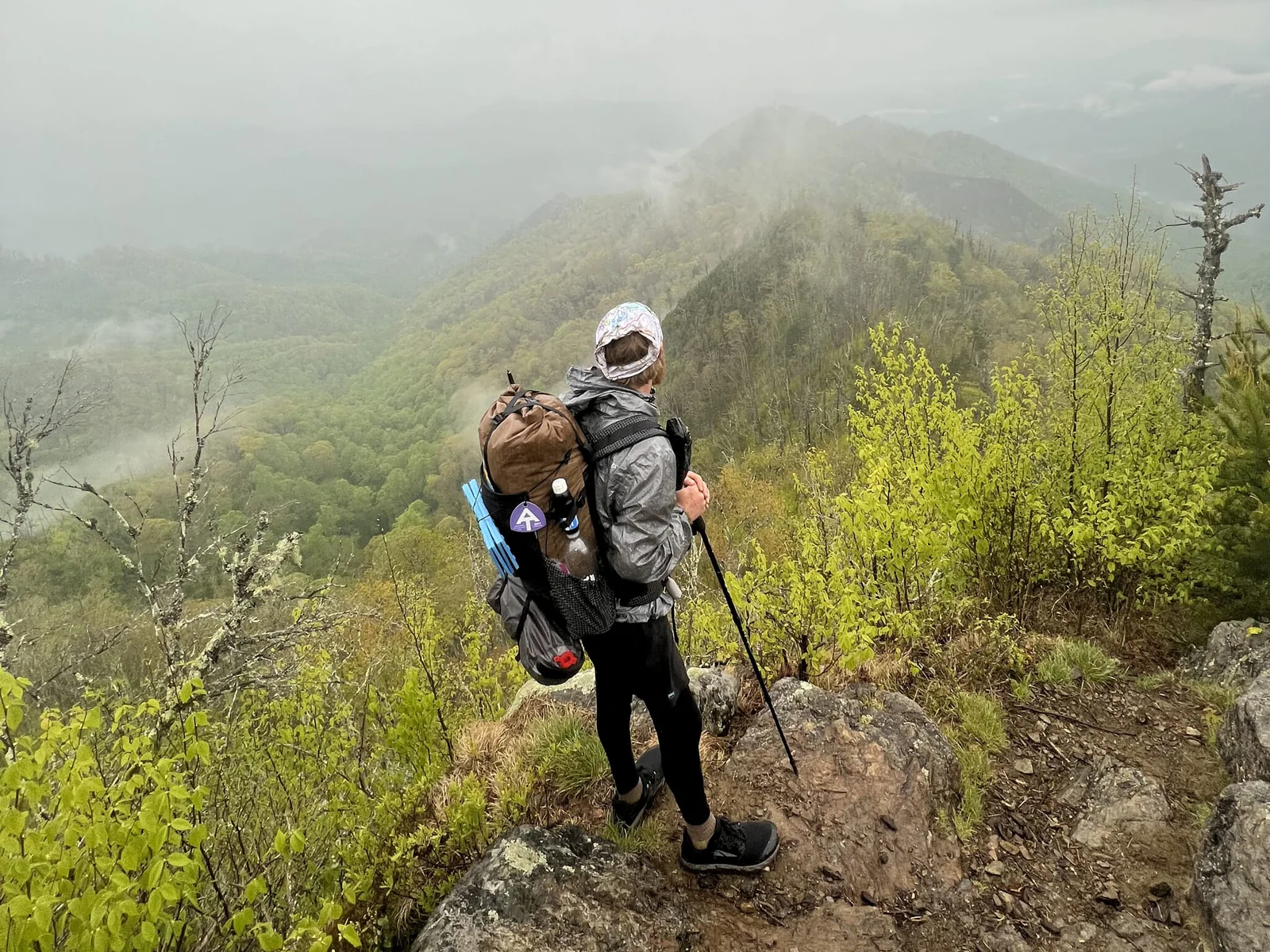
The Camino de Santiago continues to attract those who see in the pilgrimage more than a route on the map. Used over centuries by people from very different backgrounds, it remains an experience that brings together tradition, demand and personal search, in a journey that many associate with change and reflection.
The reasons that lead so many people to set out are varied. Some undertake the route out of faith, others seek it as a physical challenge, and others do so out of a need for pause, silence or direction. Despite these differences, the Camino tends to function as a point of convergence between distinct motivations, bringing together very different personalities and expectations.
More than the destination, the pilgrimage is defined by the way it is lived. For many pilgrims, it is an experience of reconnection and self-knowledge, which begins with the effort of walking and extends inward, imposing a slower pace and distance from everyday life.
Along the route, the repetition of steps, the physical demand and the simplicity of daily life alter change how time is perceived and what is considered essential. Fatigue, the quiet of the surroundings and the steady rhythm of walking encourage reflection, reduce external noise and help to refocus priorities, contributing to the transformation associated with the journey.
Although it is a deeply personal journey, the Camino also has a strong collective dimension. The greeting among pilgrims, the conversations in albergues, shared meals and encounters along the way create a sense of community, extending the impact of the experience beyond arrival in Santiago de Compostela.